Oxford is our home, so to get to anywhere we haven’t been before, we need to take the Oxford canal as far as Napton. Over the past six years we’ve done that stretch over and over again. It gets a bit boring, taking the same route, but guess what? Open your eyes and even a familiar route will have new delights.
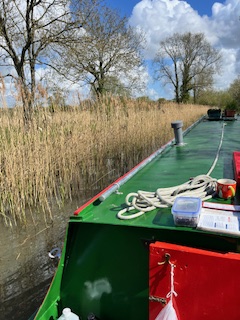
This time it was the river Cherwell that enchanted me as it meandered alongside the canal. The Cherwell on our left, the disused quarry by Kirtlington, now a nature reserve on our right provided a perfect stop for lunch. The sun was shining, the birds were singing, and a simple lunch of BLT on freshly baked baguette was made special by our lovely surroundings.
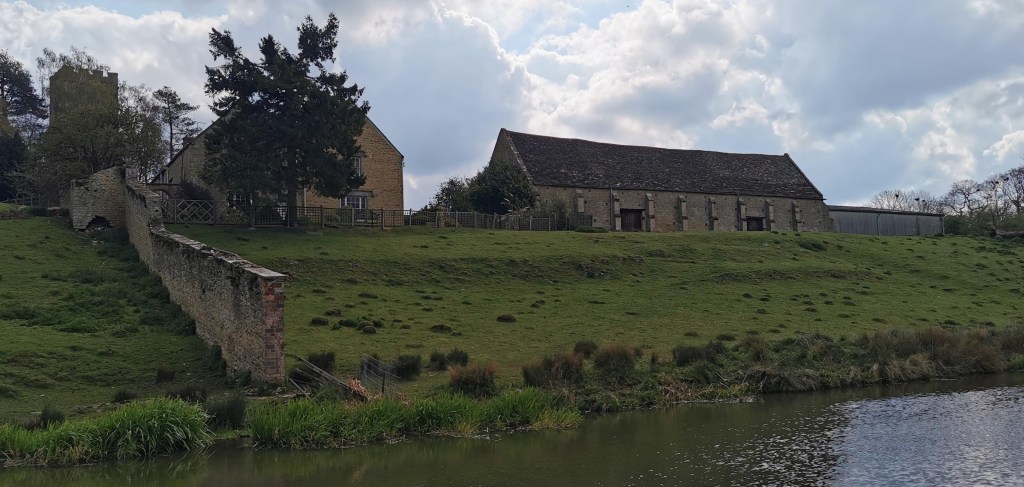
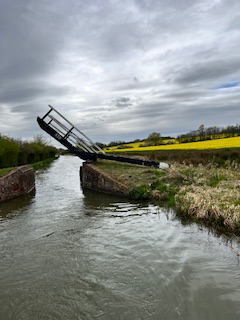
And then there are the wharfs. In the past I gave them no heed. Nowadays Heyford and Aynho are “just” places to pick up a hire boat, maybe fill up with diesel or water and maybe buy something from the chandlers. But the wharves have shaped this part of the country, like so many others. Although small, they provided a means to transport grain and farm produce to London, thus providing a livelihood for the villages around this area. If there hadn’t been any wharves, then the villages would have long gone.
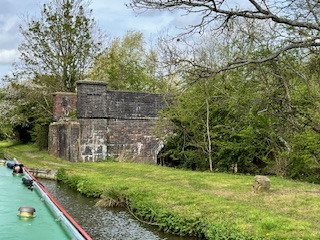
Another thing that intrigues me are the remains of industry and infrastructure. Abandoned ancient ploughs on edges of fields, bridges that no longer exist but still create a narrowing of the waterways, and once enormous railways viaducts that stop on one side of the canal and simply don’t carry on on the other side, all make me want to think myself back to years gone by. What was life like when the bridges provided the only way for a farmer to get to their fields, when they used these old ploughs, pulled by horses.
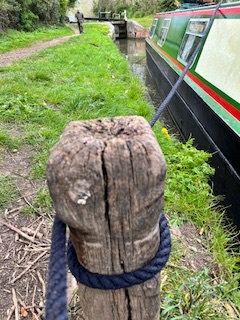
And what of the towpaths themselves? They didn’t look like they do now, overgrown with trees on the banks. For horses to be able to tow the boats, the paths had to be free of growth. Which made me think about horse poo. What happened to it all? Did little tykes walk behind the horses to pick it up and sell it to the farmers? Surely the bargemen and women didn’t stamp knee deep in horse manure. If someone knows, I’d love to hear from you.


Leave a comment